


Interest in herbal supplements for powerlifters has grown quickly. Many lifters used to rely only on protein, creatine, and caffeine, but more athletes are now turning to herbs for recovery, sleep, joint comfort, and stress support. This shift matches what we see in the larger supplement industry, which hit 13.2 billion dollars in herbal sales in 2024.
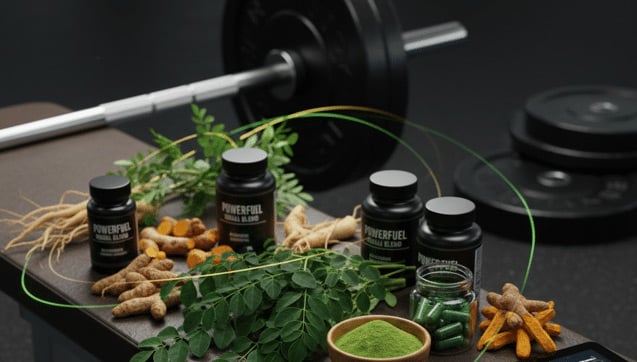
Powerlifters are part of this trend because training heavy squats, bench presses, and deadlifts takes a toll on the body. Lifters want anything that can help reduce stress, improve recovery, and keep them healthy through long training cycles.
A Growing Industry That Helps Athletes Too
Even though the herbal supplement market is not growing as fast as it did years ago, it is still moving upward. For lifters, this means more choices and better formulas built for strength sports. Many athletes have recently shared how ashwagandha helped them stay calm during meet prep or how mushroom blends improved focus during technique work.
These stories show that herbal supplements for powerlifters are becoming a normal part of training, not a fringe idea.
Which Herbs Are Powerlifters Actually Using?
In regular grocery or drugstores, products like psyllium are still top sellers. Many lifters use psyllium to help digestion during bulking phases or weight cuts. Elderberry sales dropped after COVID, but herbs like ashwagandha and beet root grew a lot. Both of these show up often in herbal supplements for powerlifters because they support stress control and blood flow.
Mushroom blends have also taken off. Lifters use lion’s mane for focus, reishi for sleep, and cordyceps for conditioning. These herbs are not magic, but they can help the body handle tough training weeks.
New Trends in Natural Stores
In natural health stores, turmeric still leads the way. CBD dropped a little, but algae supplements saw huge growth. Many lifters use greens powders during cuts or stressful training blocks, and algae is one of the main ingredients.
Moringa, rhodiola, chaga, and milk thistle also gained popularity. These ingredients appear more often in herbal supplements for powerlifters because they support energy, liver health, and recovery.
Why Powerlifters Care More About Herbs Now
Powerlifters know that progress is not only about lifting heavy. You need good sleep, low stress, strong digestion, and solid recovery. That is why more athletes use herbal support for things like:
• better sleep during peak training
• calmer nerves before big lifts
• joint comfort in elbows, knees, and low back
• easier digestion during bulks
• reduced stress during meet prep
Unlike bodybuilders, who often focus on appearance, lifters focus on performance and longevity. Herbal supplements for powerlifters fit this mindset because they support the whole body, not just the muscles.
A Long-Term Change in Strength Culture
Experts say herbal supplements are not a fad. People want natural options that help them feel better, recover better, and train longer. Powerlifters fit right into this trend. Lifters are becoming more educated and more willing to support their health in sustainable ways.
Even if growth slows, the demand remains strong. With more companies designing products specifically for strength athletes, herbal supplements for powerlifters will likely stay popular for years.
None of this replaces smart training, good nutrition, or real recovery habits. But the right supplemental support can make heavy training feel more manageable and help lifters stay strong for the long run.
Exclusive Powerlifting.com content drawing on published research and industry expertise to ensure accuracy and relevance for powerlifters. Certain statements in this article represent the author’s perspective and may not reflect the views of Powerlifting.com.


Just add a display name to post your comment, or create an account, or log in.
Create an Account Login